

Historic Brattonsville in York County, SC offers a living history experience from the founding of the country through the Revolutionary War and Reconstruction. Guided field trips, historic reenactments, and regular open hours give visitors the chance to retrace the footsteps of the Bratton family while learning about life in the early American South.
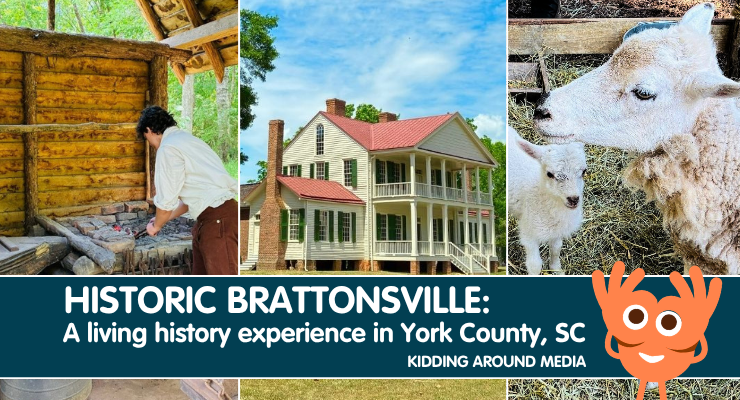
Quick Look at Historic Brattonsville
💥 Experience: Living history with artifacts and demonstrations through the Revolutionary War, Antebellum Period, and Reconstruction Era
🎟️ Admission: $12/adult, $8/children, free for ages 3 & under
⏰ Hours: 10 am – 5 pm, Tues – Sat and 1 – 5 pm, Sun
📍 Address: 1444 Brattonsville Road, McConnells, SC 29726
🚻 Amenities: Restrooms, water fountains, picnic tables, gift shop
If you have ever wanted to learn more about the founding of our country or introduce it to your children, Historic Brattonsville in York County offers a rare window into life across not just one but three major periods of early American history. This living history experience will transport your family from the early days of the Revolutionary War, through the Antebellum Period preceding the Civil War, to the Reconstruction Era.
On our visit, we discovered…
- A huge property with close to 800 acres
- Over 30 historic buildings
- Artifacts from plantation life and battles
- Heritage breed farm animals
- Miles of hiking trails
- Demonstrations from historians
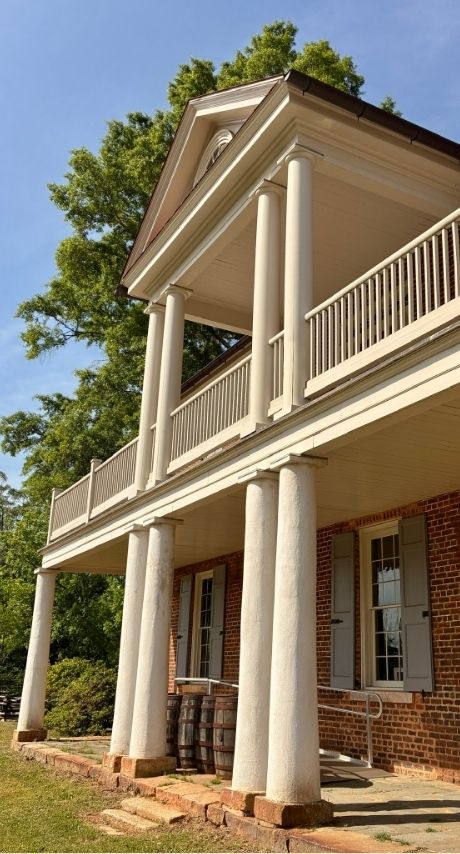
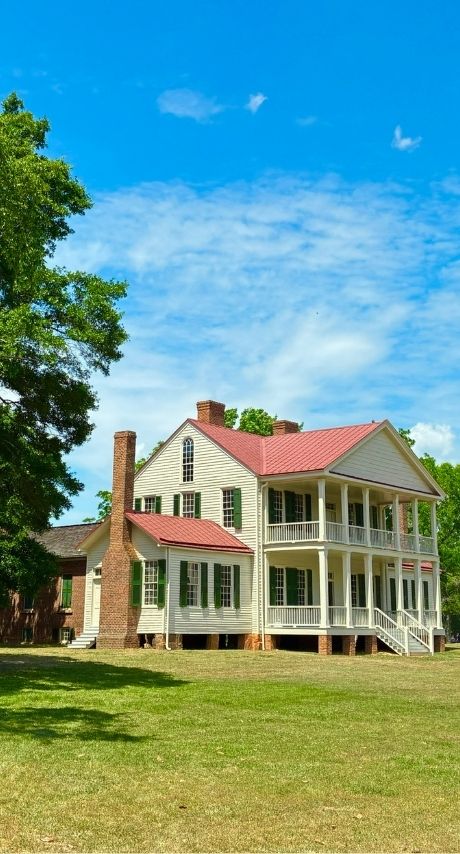
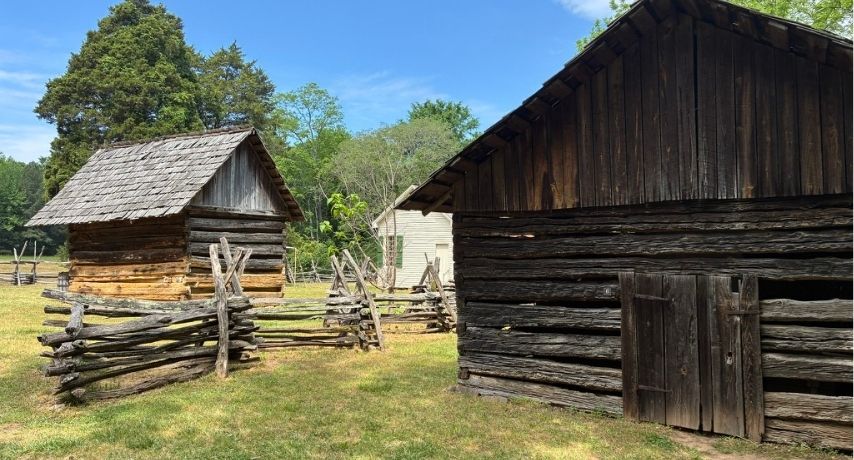
You can find so much to enjoy just by wandering the property, but for a place with this much history, we recommend making a plan to get the most from your visit. Depending on the ages of your children, you might prefer just to go where their attention leads, to work your way systematically through the historic sites, or to visit during certain special events.
This guide will help you discover all the great things there are to do on the property and make the most of your first (of many!) visits to Historic Brattonsville.
Your Guide to Historic Brattonsville
The History of Historic Brattonsville
About 150 years after the colonies were first established, William and Martha Bratton claimed 200 acres along Fishing Creek in 1766. Just 10 years later, their family along with so many others would be rocked by the launch of the Revolutionary War. The Battle of Huck’s Defeat took place on their property in 1780, where Loyalist soldiers were defeated by a Patriot militia.
Over the course of the following century, the frontier homestead grew into a booming plantation, quadrupling in size and operating a cotton gin, general store, post office, and more. After the Civil War ended in 1865, the plantation transitioned from slave labor to share-cropping, with former slave-holders and freed slaves learning to live alongside each other under threat from forces like the Ku Klux Klan.
The last of the Bratton family moved out of the property in 1915, leaving it to the care of tenant farmers. This arrangement lasted only a few decades, until preservation efforts began in the 1960s. Recognizing the property for its historic importance, a retired IBM executive named R.F. Draper purchased the property, donating the Colonel William Bratton House to the York County Historical Commission.
Over time, increasing portions of the property were acquired by York County, and citizens with an eye towards history came together to save, restore, and preserve what we see today at Historic Brattonsville. In 1971, the property was listed on the National Register of Historic Places, and in the late 1900s, additional historic buildings were brought to the property to expand upon the immersive experience provided to visitors.
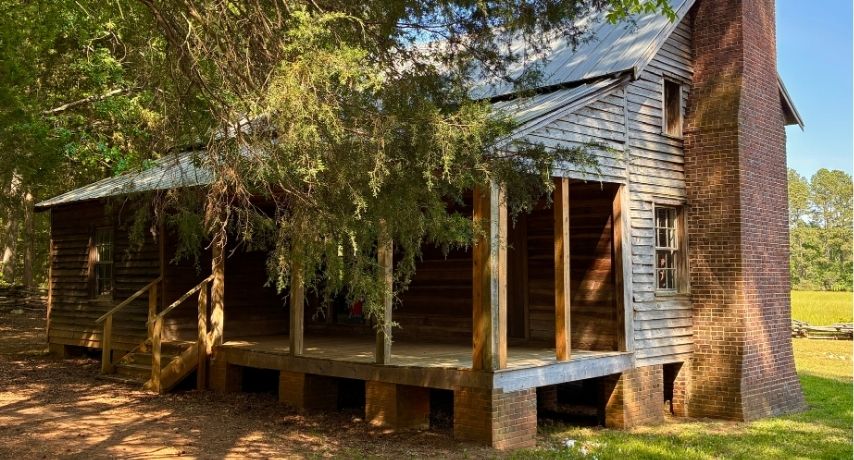
Today, the property is primarily owned, managed, and opened to the community by York County’s Culture & Heritage Museums. With regular open hours, frequent presentations from live history interpreters, and special events throughout the year, Historic Brattonsville is an extraordinary place for families to take in a huge breadth of early American history as they walk through it together.
The Revolutionary War at Historic Brattonsville
I personally recommend starting with the oldest structure on the property: the Colonel William Bratton House. This was the first home of William and Martha Bratton, built in 1766 before the Revolutionary War. While it was later converted into the Brattonsville Female Seminary, a schoolhouse for girls, visitors can still imagine the family’s early life on the frontier in this small home.

Outside the home, you’ll find glimpses of life on a frontier homestead. Discover exhibits on gardening, garment-making, and smithing. Depending on the day, different history interpreters may be demonstrating different skills and can tell you more about them.
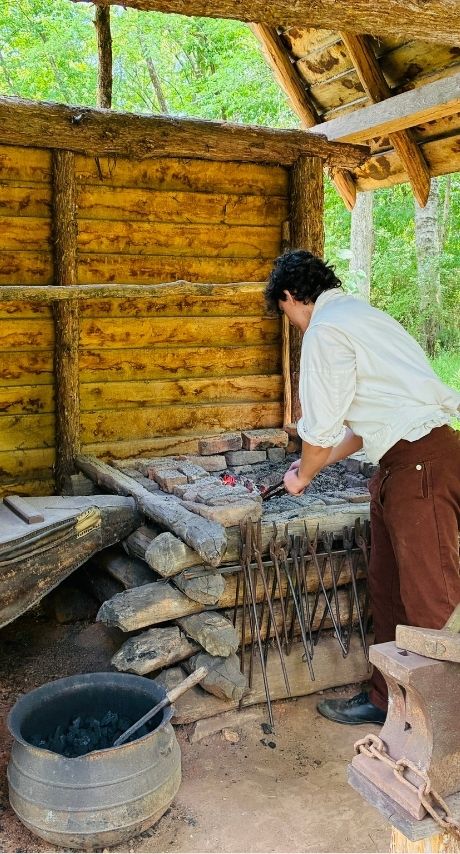
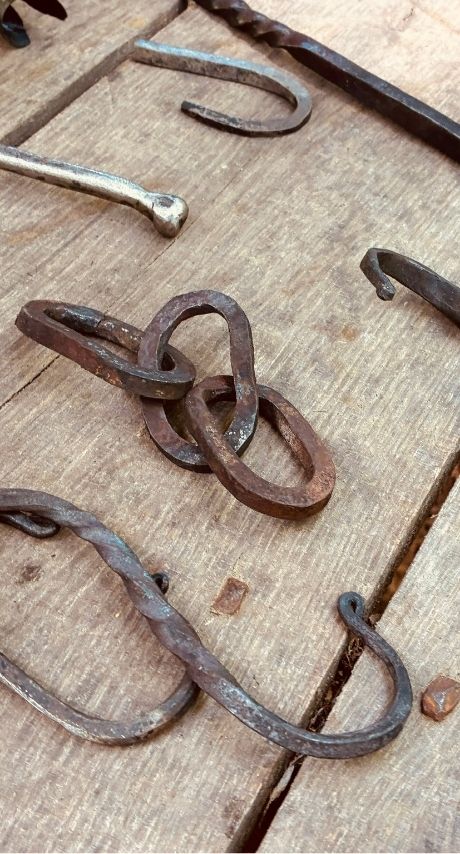
An interpretive trail takes visitors across the grounds where the Battle of Huck’s Defeat, otherwise known as the Battle of Williamson’s Plantation, took place. William Bratton had been made a Colonel in America’s revolutionary army, and the Loyalist Captain Christian Huck came looking for him at the plantation. The Colonel was away, but Martha was able to send word with a slave named Watt to warn him of the attack.
As you walk through the family’s early homestead and across the battlefield, you can imagine life in a frontier home before the war, talk through the decisions faced by families about which side to take in the war, and envision the battle as it unfolded.
Before you keep scrolling...
Want more ideas like this?
Spend less time searching and get fresh family-fun ideas in your inbox.
Before You Go: Consider watching this 15-minute reenactment video of the Battle of Huck’s Defeat provided by York County’s Culture & Heritage Museums! See the Revolutionary War sites come alive with detailed depictions of battle, so you can better envision the historical events as you walk through the property yourself during your visit.
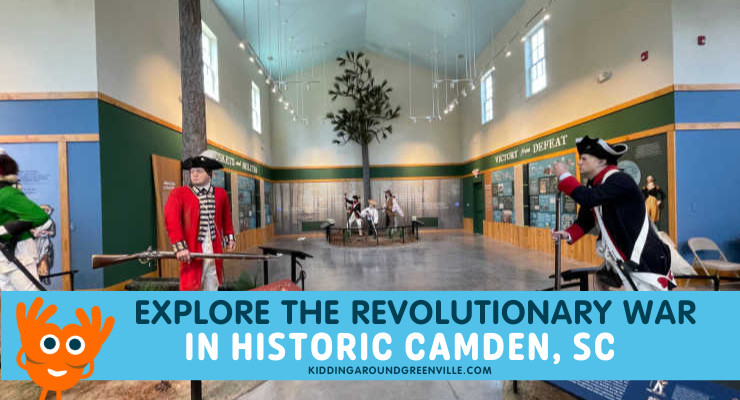
Are you a Revolutionary War buff? Discover even more Revolutionary War history in our Guide to Camden, SC!
The Antebellum Period at Historic Brattonsville
After the end of the Revolutionary War, the Bratton family continued to reside on the property with a few slaves, including Watt and his wife Polly. When William and Martha died in 1815 and 1816, the majority of their property was given to their youngest son, John Simpson Bratton, Sr. An ambitious man, he radically expanded the estate, its cotton production, and the family’s slave ownership.
The Homestead House, built in 1826 under John Bratton’s direction, is one of the grandest structures on the property. With two stories, four rooms on each floor, and multiple additions during John’s lifetime, it demonstrates the increasing prosperity enjoyed by the Bratton family during the plantation’s expansion. After John’s death in 1843, his wife Harriet added on a two-story porch, developing the home’s splendor.
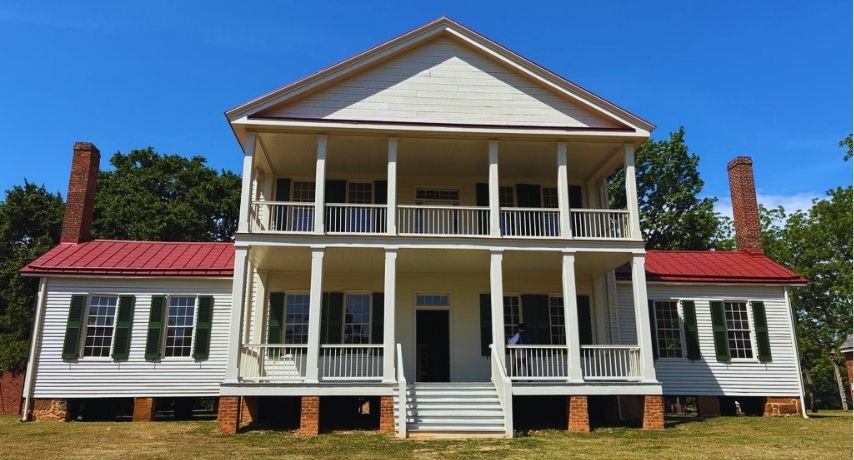
Just steps away, small brick Slave Houses stand in acute contrast, conveying the harsh price paid by a growing population of slaves for the family’s personal prosperity. John Bratton oversaw the family’s acquisition of over 100 slaves, including house and field slaves who lived in at least 20 slave houses across the property. Only two of the original houses are still standing, but three have been reconstructed and ruins of others remain.
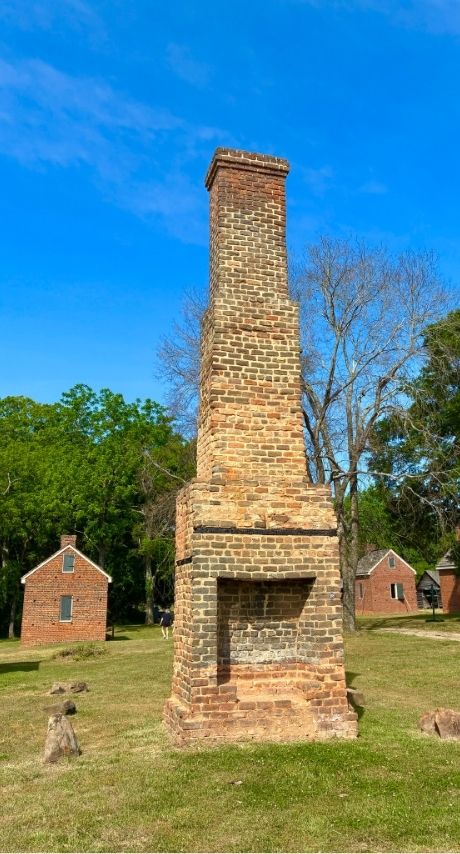
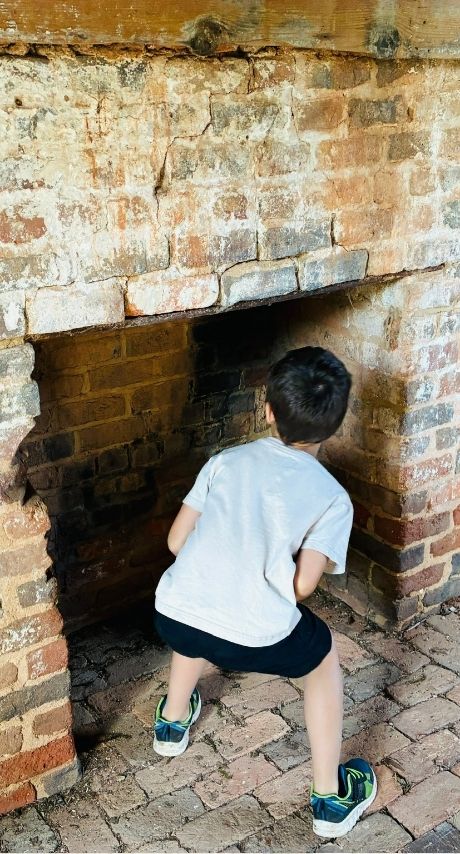
The Kitchen and Dairy are particularly noteworthy structures among these. The Kitchen stands in one of the reconstructed houses, where visitors might have the chance to catch a cooking demonstration from a history interpreter. The Dairy is actually one of the original houses, with a partially submerged cellar that may have been used to store dairy products such as butter.

Visiting these sites together provides a poignant look into the Antebellum Period across the American south. The early American people were dramatically split in their experience of life after the founding of this country—with some enjoying freedom, peace, and prosperity, and others undergoing poverty, oppression, and slavery.
Before You Go: Consider reading this summary of African American History from York County’s Culture & Heritage Museums. You’ll gain a greater understanding of the living conditions endured by slaves during the Antebellum Period, and more information on Historic Brattonsville following the Civil War.
The Reconstruction Era at Historic Brattonsville
Harriet Bratton remained in the Homestead House at Brattonsville through the American Civil War and oversaw the plantation’s transition away from slavery in 1865. Many of the same families that worked on the plantation as slaves remained as share-croppers, a new role entitling them to tracts of land and a share of the crop each year. By the early 1900s, share-cropping turned to tenant farming, and some of the houses on the property were rented by former slaves or their descendants.
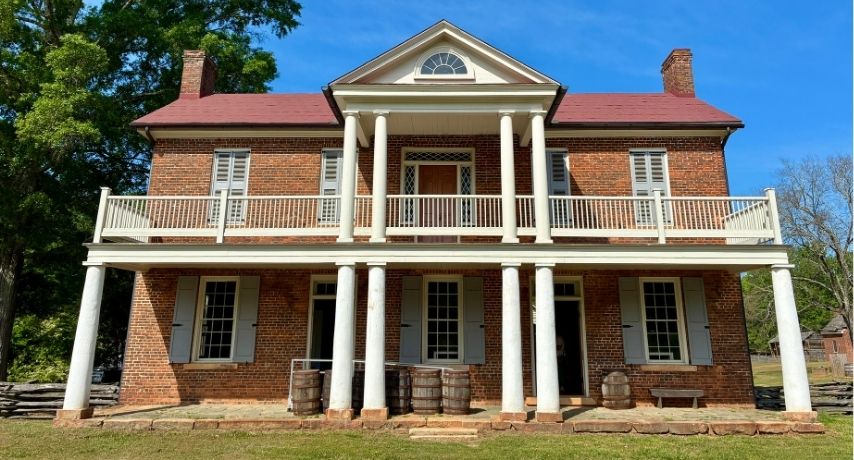
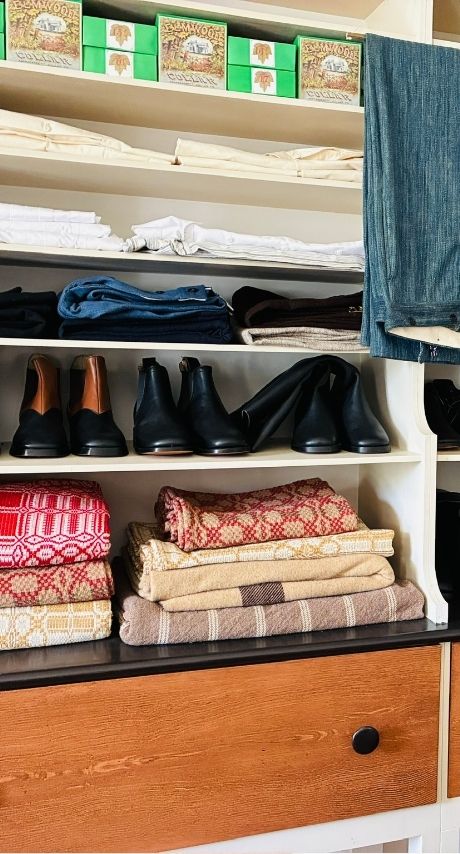
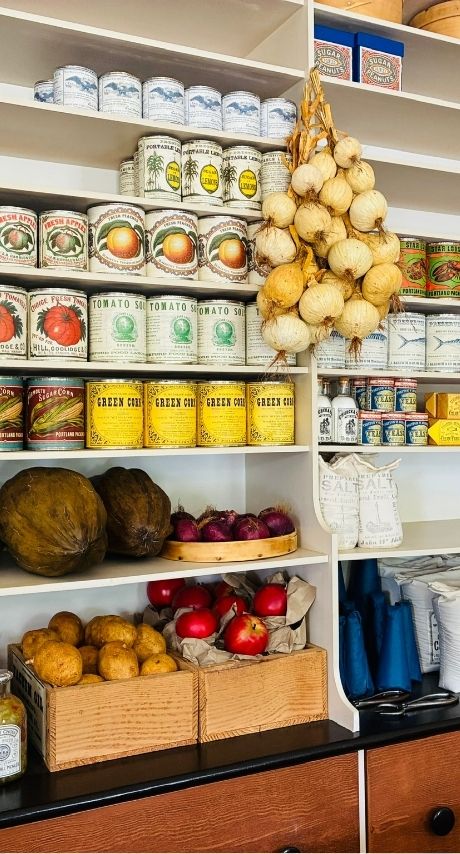
The Brick House at Historic Brattonsville is an excellent place to learn about the Reconstruction Era. Originally constructed in 1843 under Harriet Bratton, it served as the Brattonsville Store and currently displays a selection of groceries, clothing, farm supplies, and other goods that would have been sold at the time.
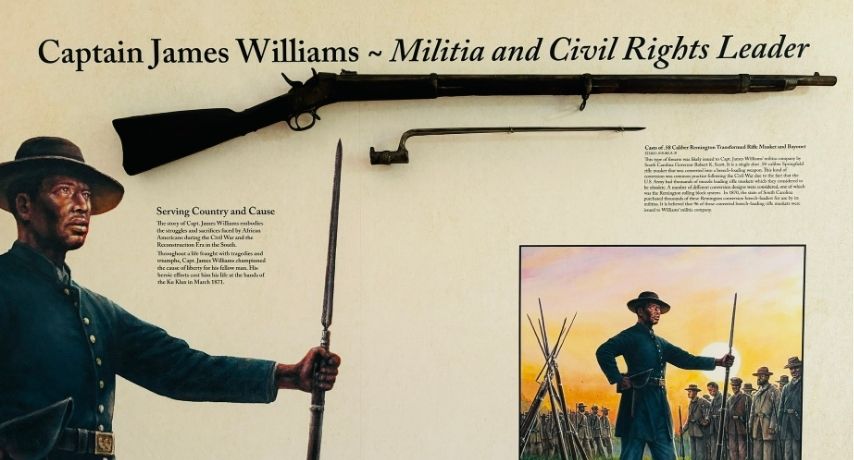
It is also home to a powerful display about Captain James Williams, a slave who escaped Brattonsville to serve in the Union army. He returned to York County after the war in 1866, actively protected the rights of his fellow former slaves, and was ultimately lynched by the Ku Klux Klan in 1871. The coroner brought his body to the Brick House for the inquest, and today his memory is honored with a dedicated exhibit in the building.
An Enslaved Ancestral Burial Ground stands some distance apart from the other structures, but it is worth a detour to survey. The site serves as the final resting place for over 450 Americans, most of whom are believed to have been slaves or former slaves at Brattonsville. Most of the graves are unmarked or unengraved, except for one marble headstone for Polly and her husband Watt, the slave who warned Colonel William Bratton of a Loyalist attack during the Revolutionary War.
While heavy to witness, these exhibits powerfully portray a critical turning point in our country’s history. The 13th, 14th, and 15th Amendments to the Constitution passed in Captain James Williams’s lifetime, granting freedom, citizenship, and voting rights to every American regardless of skin color, ancestry, or past position of slavery. His life and death represent both the fight for freedom and the lives given to it.
Farm and Trails at Historic Brattonsville
After walking through three chapters of American history, the farm and trails at Historic Brattonsville offer a chance to slow down, reflect, and just enjoy the land itself.
If you manage to hold the kids off until the end of your visit, I recommend saving the Farm at Historic Brattonsville for one of your last stops. Kids might be tempted to make a beeline for it, and that’s because adorable animals are the best—but sometimes it’s a good idea to save the best for last.
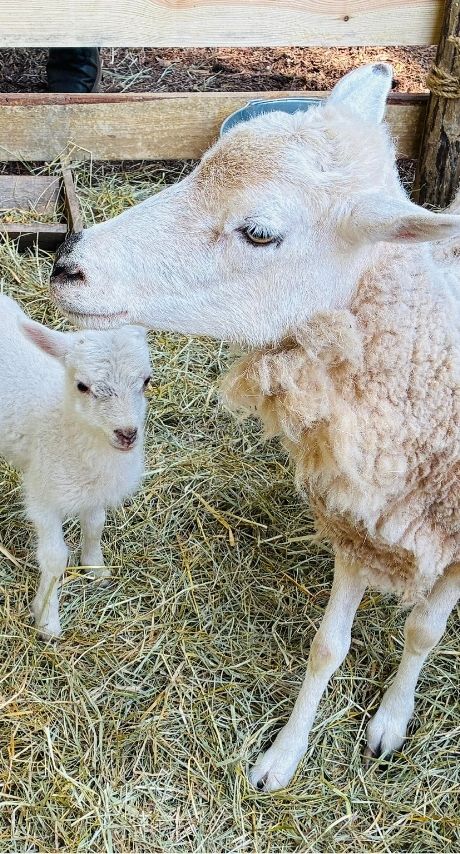
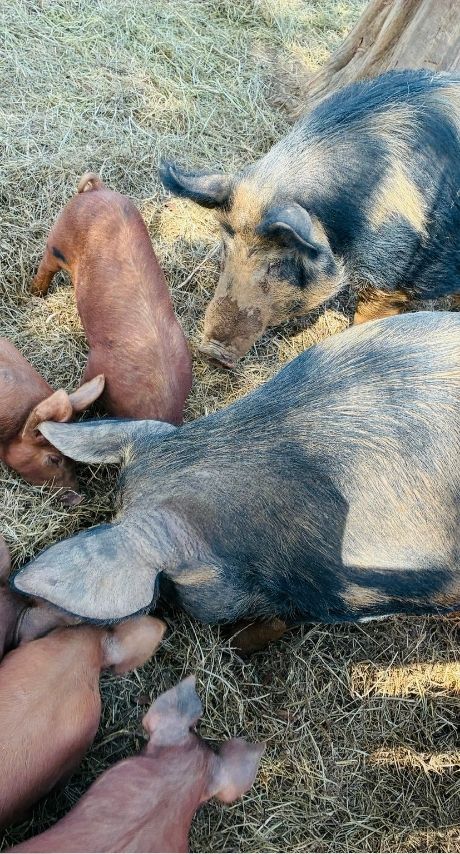
Historic Brattonsville is home to several heritage livestock breeds, traditional farm animals which were carefully bred to thrive on farms prior to the era of industrial farming. You’ll find many sheep and pigs in their enclosures, and tons of chickens running around! Cattle are also onsite, but may not be visible if they are out to pasture during your visit. History interpreters are often demonstrating routine animal care and can tell you more about the breeds onsite.


When you’re ready to stretch your legs, the Walt Schrader Trails wind through forests, fields, and even some wetlands with 6 miles of marked paths. Keep your eyes open for the chance to spot wildlife like deer, wild turkeys, snakes, and birds! A trail map is available online or at the Visitor’s Center, and families are likely to enjoy the easy 0.7-mile nature trail.
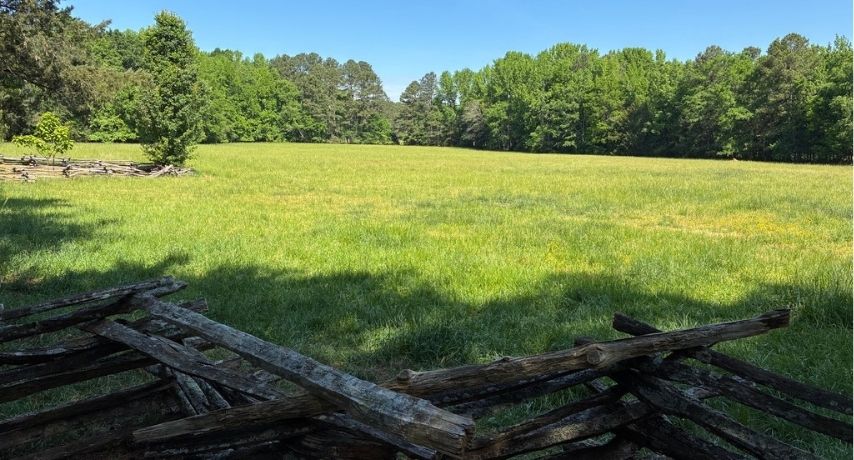
After everything we saw during our visit, there was something simple and good about stopping to appreciate the land on which we stood, the generations of animals that have borne witness to it all, and how far we’ve come: From frontier life to the Revolutionary War, from the Antebellum Period to the Civil War, from the Reconstruction Era all the way to now.
And what about now? Well, you can find Americans from all walks of life taking care of this place and learning from it, and that seems like a pretty good place to me.
Hours and Special Events at Historic Brattonsville
If you’re ready to visit Historic Brattonsville, the property is generally open Tuesday through Saturday from 10 am to 5 pm and Sunday from 1 pm to 5 pm, with the Burial Grounds closing at 4 pm. The property closes on Mondays as well as certain major holidays.
Animal feedings usually take place on Wednesday, Friday, and Saturday at 10:30 am. Group programs and field trips can be scheduled in advance with some special rates and tour guides available.
Know Before You Go: Historic Brattonsville is a historic preservation site. As a result, different parts of the property may be in different stages of preservation at any given time, creating variability in the guest experience. We recommend multiple visits to experience the full scope of the property, or if traveling from a distance, consider calling ahead to confirm the current status of anything you would like to see.
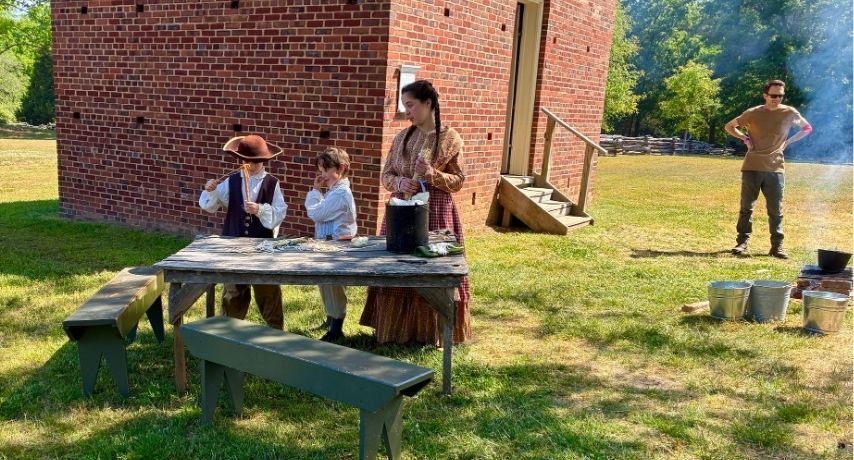
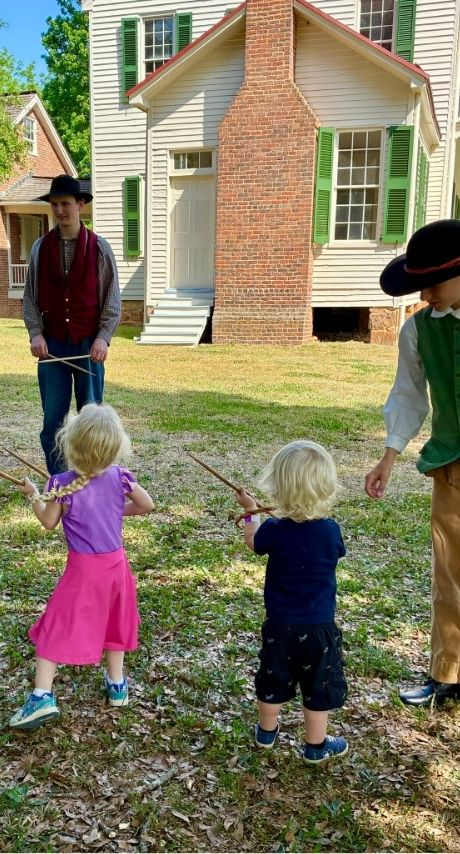
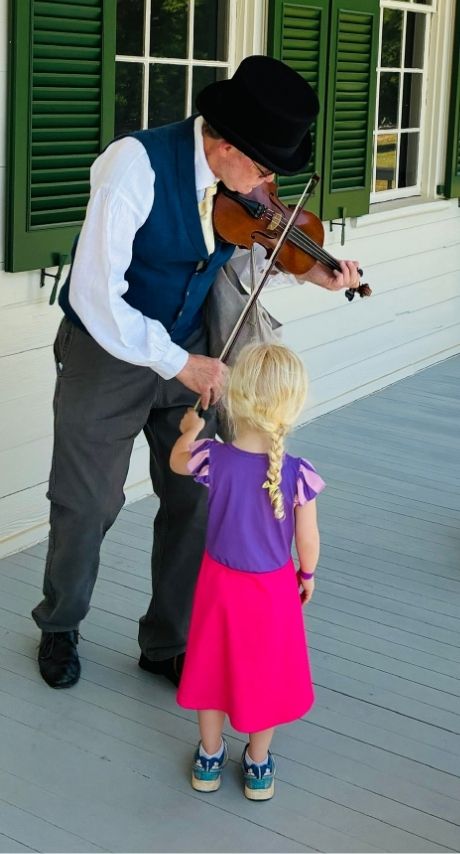
It’s worth watching the Culture & Heritage Museums event calendar for special events throughout the year, too, that can take your experience to a whole new level:
- Children’s Day on the Farm, usually occurring in April, is a wonderful opportunity to visit when living history interpreters will stamp children’s passports upon completing hands-on activities like quill-writing, candle-making, and more.
- The Battle of Huck’s Defeat Reenactment in mid-July is a major event every year, drawing thousands of visitors for a two-day weekend of live cavalry, musket demonstrations, children’s militia drills, old-school music and dancing, and, of course, a battle reenactment!
- Sweat of Our Brows generally occurs at the property in September, honoring the lineage and legacy of those who worked on the plantation over the centuries.
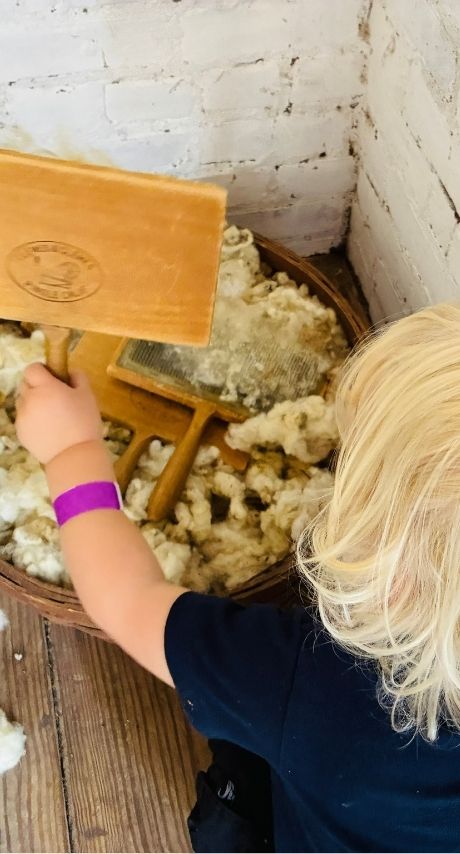
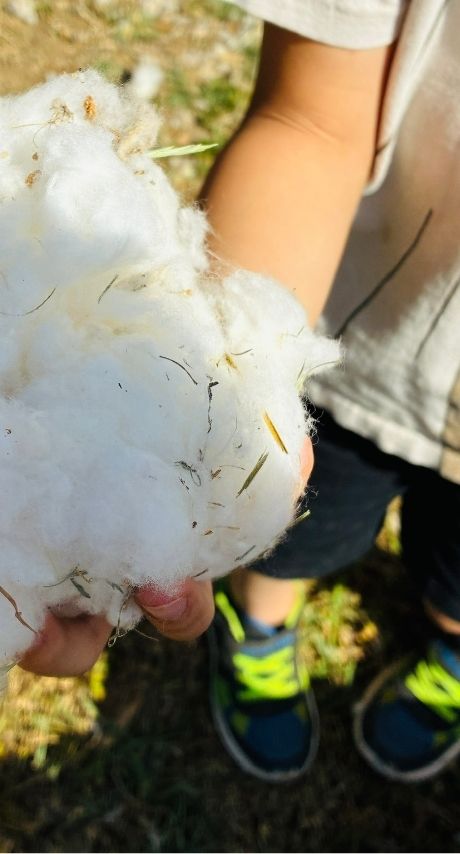
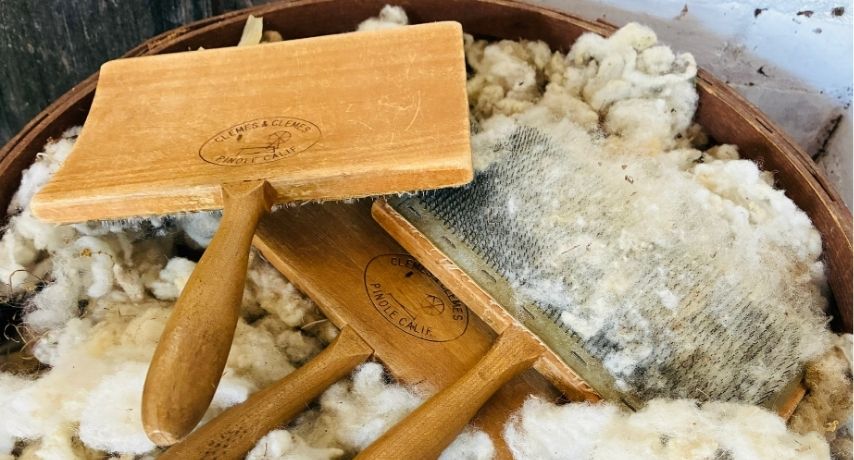
- The Harvest on the Homestead Festival around October brings demonstrations of harvest-time activities such as fence-building, cotton separation, and pie preparation.
- Christmas Candlelight Tours transform the property after dark with candlelit buildings, costumed history interpreters, holiday music, and special stories that take you back in time.
Plan Your Visit to Historic Brattonsville
Ready to go? Here are a few frequently asked questions to know before you go!
Jump to question…
- How much is admission at Historic Brattonsville?
- Is food or drink available at Historic Brattonsville?
- Are pets allowed at Historic Brattonsville?
- Is Historic Brattonsville accessible?
- Does Historic Brattonsville have options for sensory-sensitive children?
- Are the exhibits at Historic Brattonsville appropriate for children?
- What should I bring to Historic Brattonsville?
Return to navigation guide at the top.
How much is admission at Historic Brattonsville?
At the time of our visit, admission rates were $12/adult, $8/children, and free for ages 3 and under. Please check the website for the latest details on pricing. Group rates are available, and we recommend considering a membership to visit Historic Brattonsville, Museum of York County, and Main Street Children’s Museum time after time!
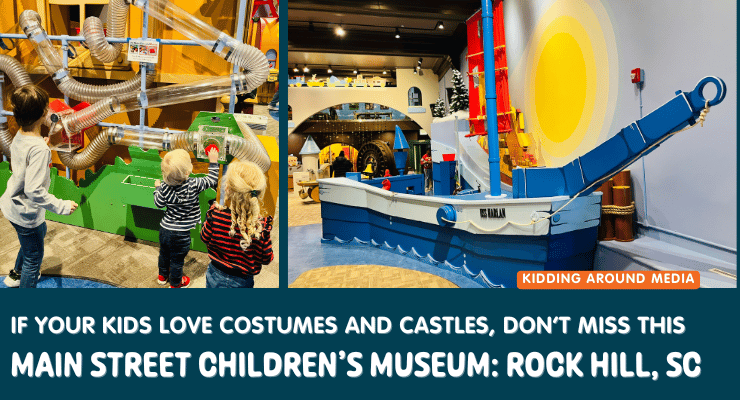
Want to see how much more a membership can get you? Check out Main Street Children’s Museum in Rock Hill, another one of the Culture & Heritage Museums in York County!
Is food or drink available at Historic Brattonsville?
Limited snacks are available for sale in the gift shop at the Visitor’s Center. There are also free water fountains by the restrooms and shaded picnic tables where you are welcome to enjoy outside food and drink on the property.
Are pets allowed at Historic Brattonsville?
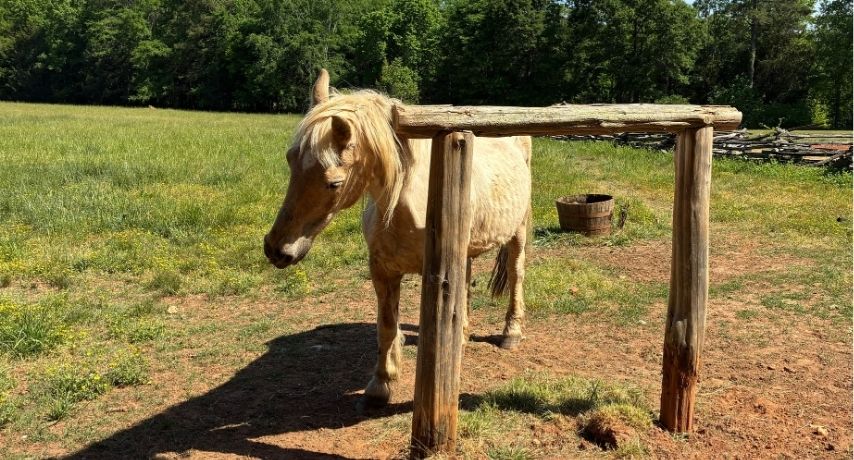
No, pets are not allowed at the property. However, horseback-riding is permitted on select dates on specific sections of the Walt Schrader Trails. Please use this contact information to confirm with Culture & Heritage Museums before bringing an animal to the property.
Is Historic Brattonsville accessible?
Due to the historic nature of the property, many of the structures at Historic Brattonsville have limited accessibility. Stairs are required to enter most if not all of the buildings. Umbrella strollers and standard wheelchairs are not recommended, but heavy-duty strollers, wagons, and all-terrain wheelchairs can handle most of the outdoor property.
Does Historic Brattonsville have options for sensory-sensitive children?
Sensory kits are available at the front desk, and social stories are available to print at home or for pickup at the front desk. While certain demonstrations and reenactments may be loud, we found most of the experience to be quiet and calm.
Are the exhibits at Historic Brattonsville appropriate for children?
While Historic Brattonsville touches on heavy topics such as warfare and slavery, exhibits are not graphic and are generally appropriate for children of any age. Video presentations may include some fake blood for battle reenactments, but you can skip these presentations altogether if you prefer.
What should I bring to Historic Brattonsville?
- I recommend closed-toed shoes, as you’ll be walking in the outdoors over grass and uneven terrain.
- You might want to consider sunscreen or a sun hat, as a lot of the property is in open sun, but there is also plenty of shade.
- If you’re planning to get on the nature trails, you might also want to consider bug spray during the warmer months of the year.
- I highly recommend water bottles, as there are water fountains at the Visitor’s Center but you’ll be hiking all over the property.
- Consider bringing snacks or a picnic to enjoy at one of the many shaded picnic tables.
If you’ve never been to Historic Brattonsville in York County, then it’s definitely worth checking out. And if you’re at all interested in history, we think you’ll want to go back again and again!
Before you keep scrolling...
Want more ideas like this?
Spend less time searching and get fresh family-fun ideas in your inbox.